Safety First: Best Practices for a Hazard-free Excavation Site Mar 24, 2026
Before any digging begins, it's crucial to conduct a comprehensive site assessment. This involves examining the soil conditions, identifying potential underground utilities, and assessing any environmental hazards. Understanding soil stability, water table levels, and existing infrastructure helps in formulating an effective excavation plan. Furthermore, marking underground utilities through services like "Call Before You Dig" can prevent dangerous accidents.
Once the site assessment is complete, a detailed excavation plan should be developed. This plan is a roadmap outlining the method and sequence of operations, safety protocols, and emergency procedures. It's essential that all team members are briefed on the plan and understand their roles in maintaining site safety. This collaborative approach minimizes misunderstandings and promotes a culture of safety.
Personal protective equipment (PPE) is a non-negotiable aspect of a safe excavation site. Hard hats, steel-toed boots, high-visibility vests, and gloves are the basics. Depending on the specifics of the job, additional items like respiratory protection or hearing protection might be necessary. PPE should be inspected regularly to ensure it provides adequate protection.
Stability of the excavation site is another critical factor. Protective systems like trench boxes, shore systems, and sloping methods should be employed to prevent cave-ins. Regularly inspecting these systems for signs of stress or failure is essential to maintaining a safe work environment. Additionally, maintaining a safe distance from the trench edge reduces the risk of falls and other accidents.
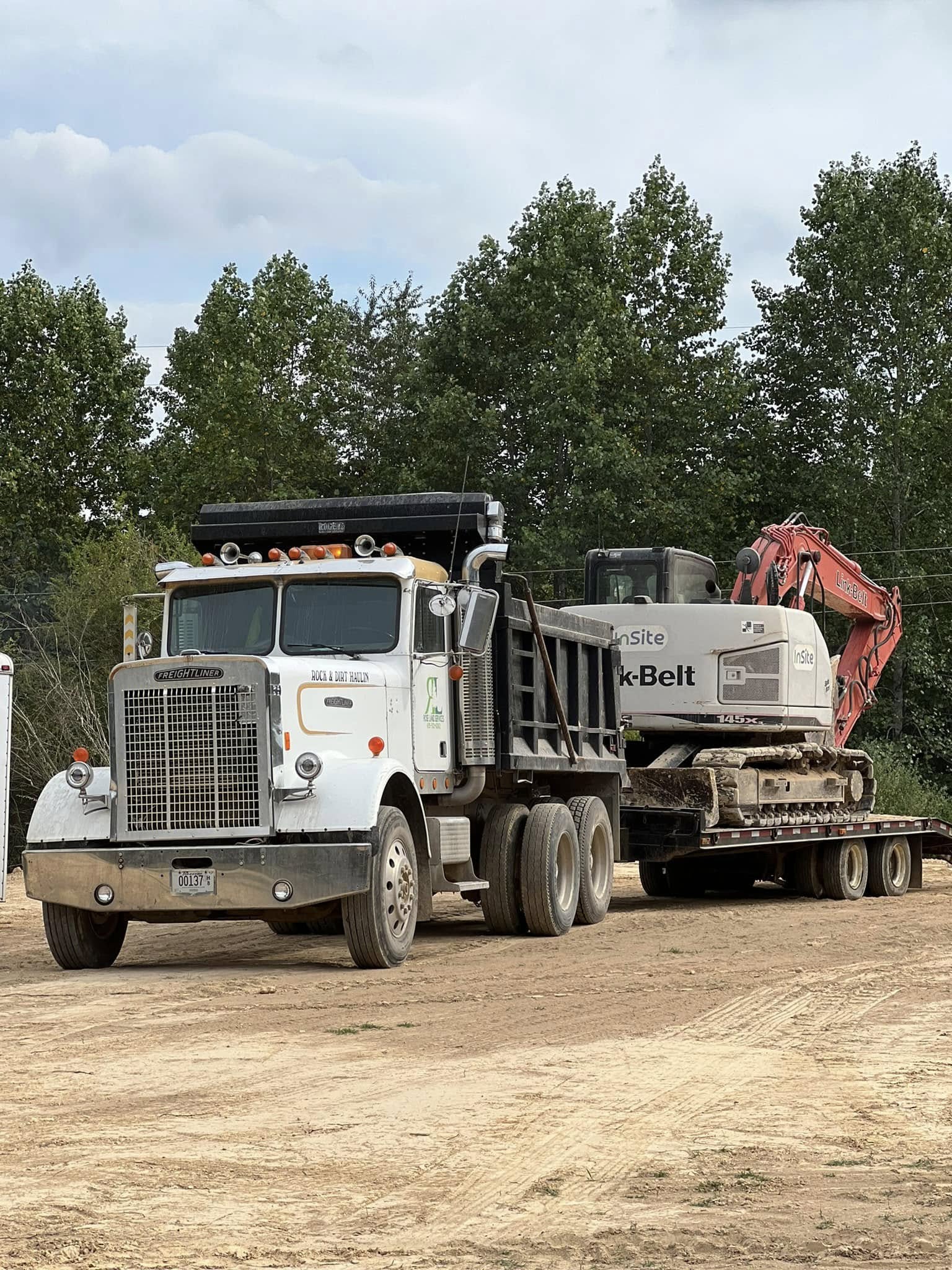
Equipment safety cannot be overstated. Operators should be thoroughly trained and certified to use excavation machinery. Routine equipment inspections should be a standard practice to ensure all machinery is functioning correctly. Keeping machinery away from the edge of excavations prevents unwanted collapses and keeps everyone safe. Signs of wear or malfunction, even if minor, should be addressed immediately to avoid potential accidents.
Effective communication is the cornerstone of a safe working environment. Radios, hand signals, and flaggers help coordinate movements and alert workers to moving equipment or potential dangers. Consistent and clear communication among team members ensures everyone is aware of ongoing activities and potential hazards. Team meetings before the start of each work shift can address any changes in the environment or updates to the excavation plan.
Finally, emergency preparedness goes hand-in-hand with routine operations. Having a clear, well-understood plan for emergencies such as cave-ins, flooding, or contact with utilities can mean the difference between life and death. Regularly conducted drills ensure that everyone knows exactly what to do in case of an emergency, enhancing response times and minimizing risks.
At Rose Land Services, we believe that a hazard-free excavation site is not just a goal but a fundamental responsibility. By implementing these best practices, we safeguard our workers, uphold the integrity of our projects, and contribute positively to the community's well-being. Safety is not a single step but a continuous commitment, weaving through every action and decision in excavation work.
/filters:no_upscale()/filters:format(webp)/media/bc02ddc0-3b2a-4103-bb34-21f6bccf2c8f.jpeg)